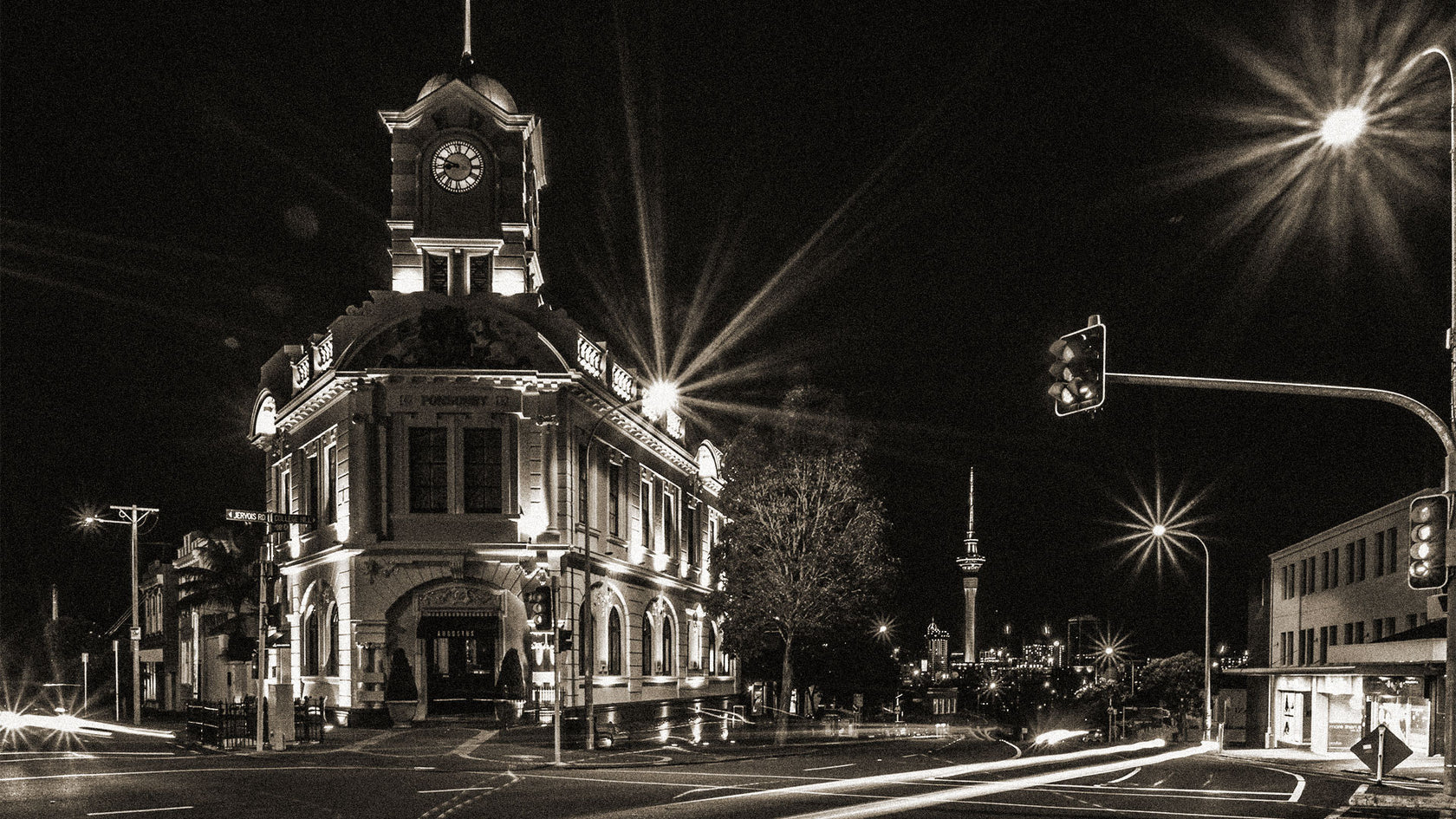
Tell us about Re:brand. Some history? Re:brand is an evidence-led branding and strategy agency with offices in Ponsonby and Wellington. We started in 1999, which in agency terms makes us one of the long survivors. The idea we were founded on hasn't changed in all that time: simple brand solutions to complex business problems.
What that means day to day is we help organisations figure out who they are, what to call themselves, and how to show up in the world. The research, the strategy, the name, the story, the design, and getting all of it live. We work across the client spectrum – from corporates to charities and community organisations doing genuinely important work, and we care just as much about both. A name and a brand aren't decoration. They are part of how a business makes money and earns trust – we treat them that way.
What was the award for? What did you need to do to win?
We won at the 2026 Transform Diamond Awards in London. The Diamond Awards – judged by 16 international judges – are the global final, where the top-scoring winners from regional programmes around the world are put up against each other. The ‘best-of-the-best’ you might call it. We came home with two Diamonds and a Gold.
The first Diamond was for naming. We renamed and rebranded Franklin Family Support Services as Mai Lighthouse, a charity that supports whānau across the Franklin region. That work was judged the best naming in the world. The second Diamond, along with a Gold for Best Visual Identity in the healthcare and pharmaceutical sector, went to Allevia, a project that brought a tangle of separate healthcare offerings together under one clear brand. It was judged the best brand consolidation in the world.
To win at this level the work has to be more than good-looking. The judges want the thinking behind it, the reason it was done, and the proof it solved a real business problem. You're marked on insight, on craft, and on results, and you're up against the strongest agencies on the planet. For a five-person New Zealand agency to take two world titles and a Gold in a single year isn't really supposed to happen. We're very proud of it.
How a name quietly costs or makes a business money
A name is the one piece of branding a business uses every single day, in every conversation, on every invoice and every sign. When it's working you don't notice it, and when it isn't it quietly leaks money for years. A name that's hard to say or spell adds friction every time someone tries to find you, refer you, or pay you. A name that sounds like three of your competitors means you spend a fortune on marketing just to be told apart. A name that boxes you into one product or one town can stop a good business growing into the next thing.
We've seen the other side of that too. Get the name right and it does work for free. It can sell for you before you ever pick up the phone. People remember it, repeat it, and find it. It earns trust before anyone has read a word about you. The cost of a name is tiny next to what the wrong one quietly takes off the top, year after year, where no one thinks to look.
Why naming by committee kills the best ideas, and what to do instead?
Naming is high-stakes. The best names almost always make people slightly nervous at first, because anything genuinely distinctive feels unfamiliar before it feels right. Put that name in front of a big group and someone will find a reason to flinch, someone else will prefer something safer, and the brave option gets sanded down until what's left is the name nobody objected to. Naming by committee doesn't pick the best name. It picks the least disliked one, and those are rarely the same thing.
What works better is a clear brief everyone agrees on up front, a small group who can actually make the call, and a decision based on evidence rather than gut feel and a show of hands. We test names properly against the things that matter, like whether they're ownable, whether they can be trademarked, and whether they'll still fit in ten years. That turns the conversation away from "do I like it" and towards "does it work," which is where it should be.
Why AI name generators are making the problem worse, not better
AI name generators are fast and free, and that's exactly the trouble. They hand you a hundred options in seconds, and they all sound like everything else, because they're built from the same well of existing names. None of it is based on the business strategy and essence. None of it has been checked against the things that actually decide whether a name is usable: is the trademark clear, is the domain available, does it mean something unfortunate in another language, does it lock the business in or set it free. A name you can't legally own or defend isn't a saving, it's a liability you find out about later.
The real cost is the false confidence. A business gets a tidy list, assumes the hard part is done, and skips the strategy and the legal checks that protect them. Good naming was never about generating options. The list is the easy bit. The value is in the judgement about which one is right and the work to make sure you can actually keep it.
It's one of the reasons we're currently putting the finishing touches on Re:name, a guided strategic naming platform designed to help leadership teams make better naming decisions with more confidence and less guesswork.
The story behind the world-first win, from little old New Zealand
Picture this: we’re a five person agency in two cities. They’re 1,000 strong and in 32 countries!
There's a particular pleasure when any small New Zealand company stands on the global stage and is told its work is the best in the world. We love that as kiwi’s don’t we.
We're a long way from the big global networks, with smaller teams and smaller budgets, and that's usually framed as a disadvantage. We've come to think it's the opposite. Being small keeps us close to the work and close to the client, with nowhere for a weak idea to hide.
The Mai Lighthouse and Allevia projects that won weren't built to win awards. They were built to solve real problems for real organisations here at home, one of them a charity supporting families through hard times. That they then went on to be judged the best in the world says something we've always believed: you don't need to be in a big city or a big network to do the best work. You need the right thinking, the nerve to back it, and a client brave enough to come with you. And that rings true to so much Kiwi work and innovation across all sectors.
T: 022 033 5912
#ponsonbynews #iloveponsonby #loveponsonby #ponsonby #auckland #aucklandshippestrip #onlyponsonby #ponsonbyroad #Greylynn #freemansbay #westmere #ponsonby #hernebay #stmarysbay #archhill #coxsbay @followers #followers @everyone #everyone #waitematalocalboard @highlight